


The impact of human capital on labor productivity growth in Vietnam
- Banking Academy – Phu Yen Campus
Abstract
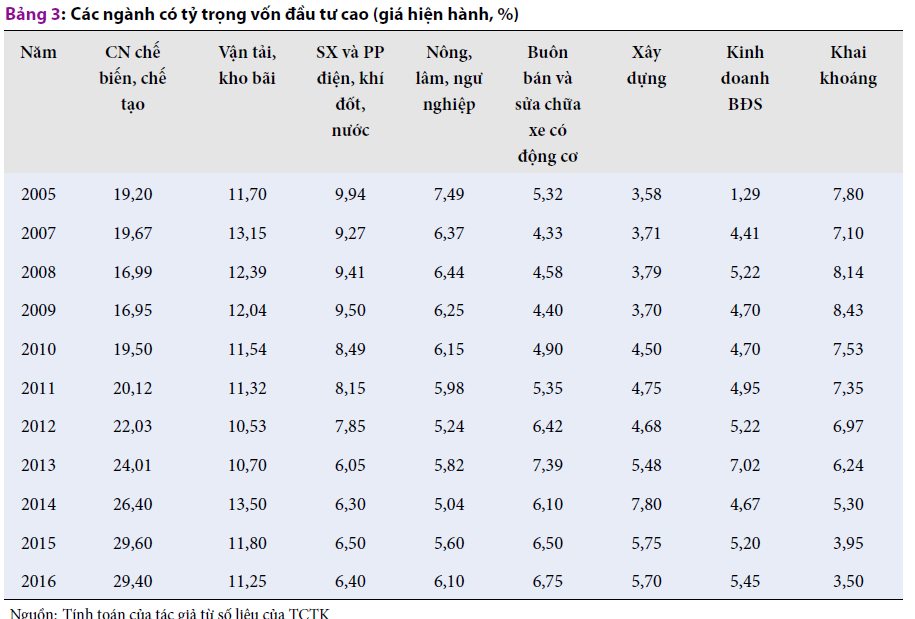
This paper applies Mankiw model to consider the relationship between human capital and labor productivity in the period of 1996 - 2017. Research results have shown that the contribution of human capital to labor productivity growth is only 14%, while investment capital does not reflect the change in labor productivity. The cause of this result is determined by the inadequacy in the allocation of investment capital and the situation of labor training not based on the trend of restructuring the sectors of the economy, so the quality of human resources not yet promoted and utilized. Therefore, in order for human capital to become one of the important factors to promote labor productivity in the future, Vietnam needs to implement three specific solutions: Firstly, raising awareness of the role of human capital in the process of labor productivity growth; Secondly, education and training should be developed to improve the quality of human capital; Thirdly, focus on developing human resources in the field of science and technology to transform the growth model from width to depth.