


Job satisfaction and dissatisfaction of employees: A theoretical gap
- University of Economics and Law, VNUHCM, Viet Nam
Abstract
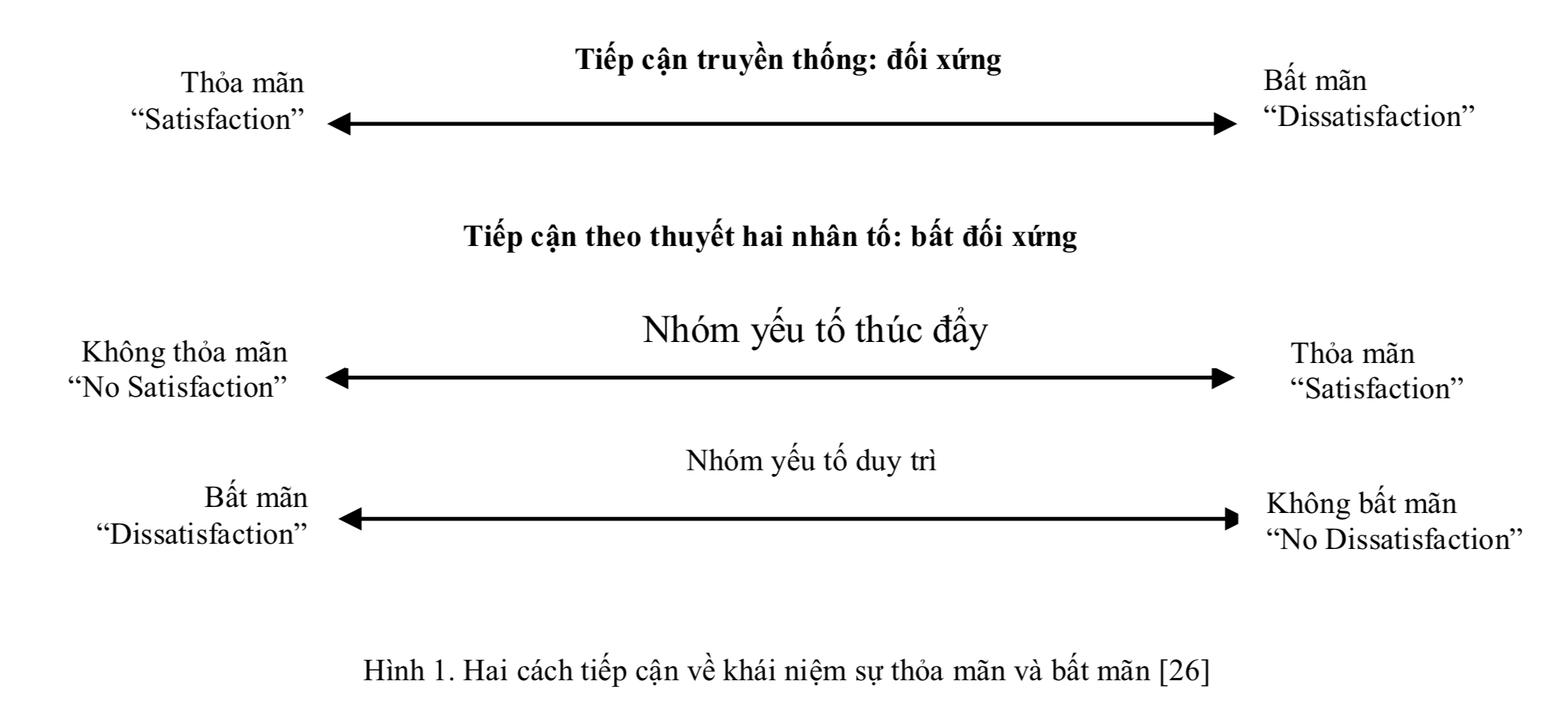
Job satisfaction and dissatisfaction have long been considered two extremes on a continuum, meaning the presence of each job attribute will lead to employee satisfaction and its absence is likely to result in dissatisfaction. However, many recent studies have indeed shown that the impacts of these job attributes are not always one-dimensional. This approach was first inspired by the Two-factor theory by Herzberg et al. (1959) in the field of human resource management, which later has been widely applied and developed . in other related disciplines such as marketing and quality management. This paper, drawing on the well-known Kano’s model (1984), examines and confirms the asymmetric impacts of job attributes and suggests managerial implications for the tourism sector in Ho Chi Minh City.